Most parents start homeschooling because it fits their values and vision for their family.
But they don't apply that same lens to their choice of curriculum.
They choose the program or method that feels the most familiar—often because it's based in the same educational model they grew up in.
Why do we choose a one-size-fits-all education based on a fictional "average child", an education many of us did not enjoy ourselves as kids?
Your child is unique and deserves an education designed for them that recognizes their strengths, needs, and interests.
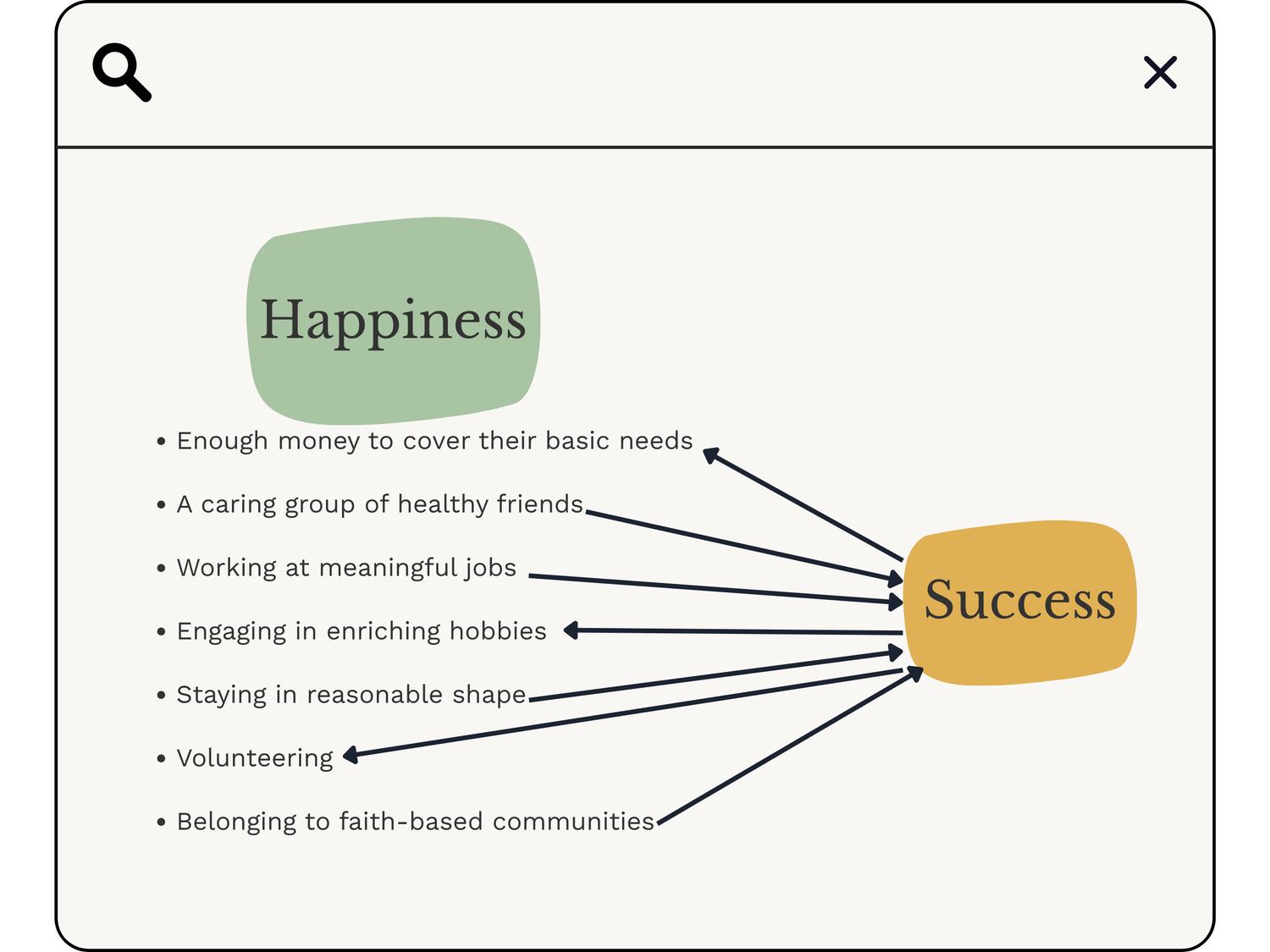
You're not here because you want the status quo for your family. You want happiness and success for your child, not just "fine".
Time to design an education for your child that fits your values and their individuality. They deserve this.

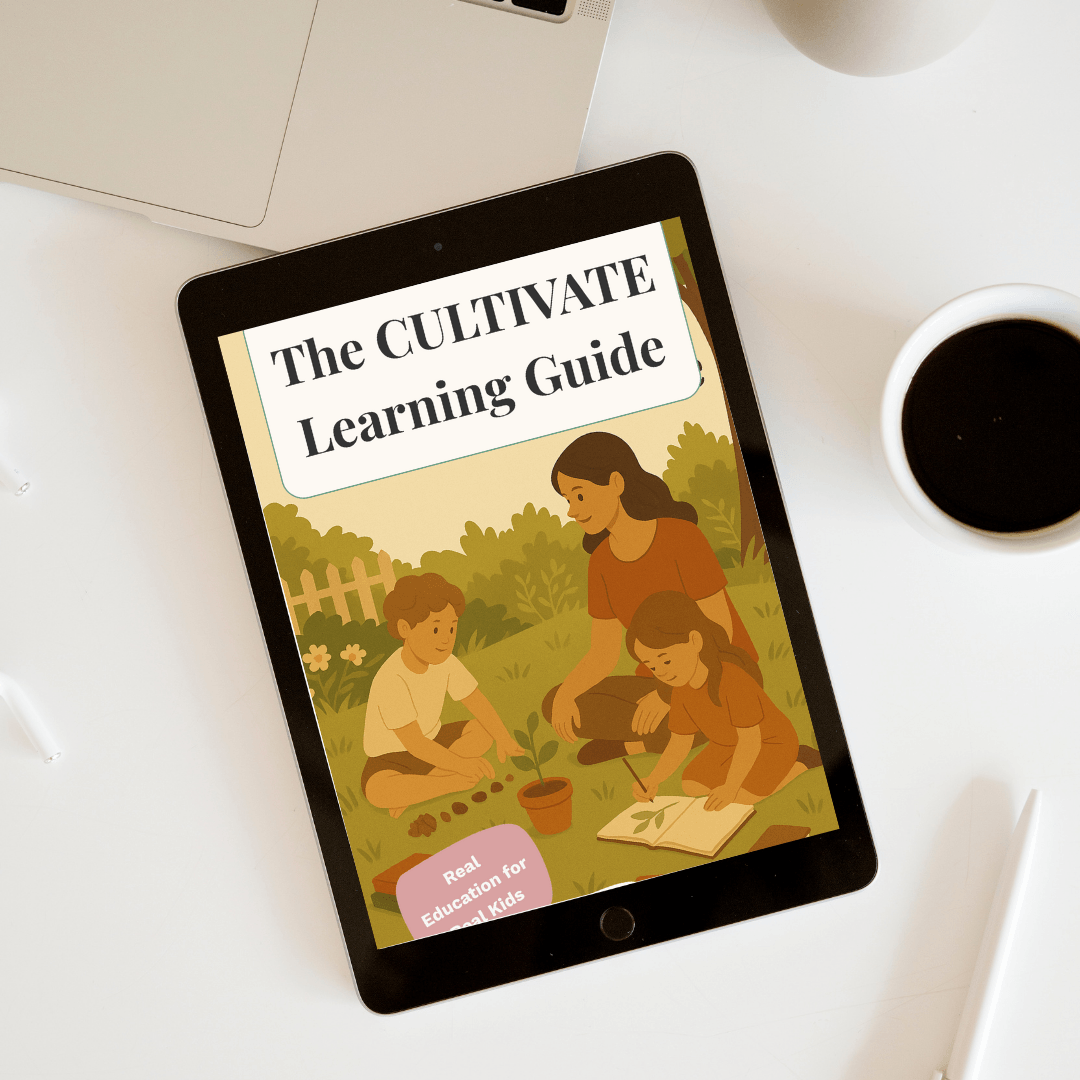
The CULTIVATE Learning Guide is a guided exploration to help you pinpoint your values and how they relate to your education plan for your child.
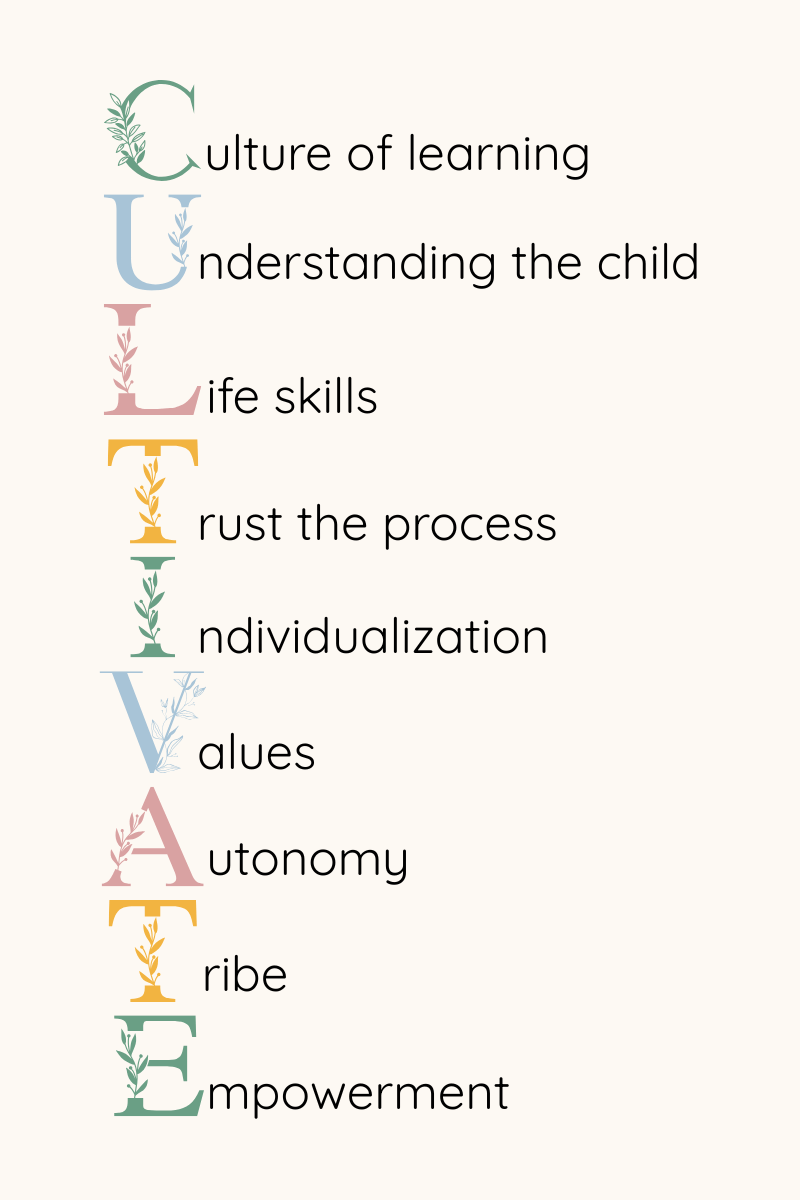
The CULTIVATE Learning Guide is split into 3 main sections.
Instead of school-based curricula that focus on what, when, and how to educate your child, regardless of their needs and interests, building a customized education plan starts with our CULTIVATE learning model. By asking "What are we growing toward?", "What are we noticing right now?", and "What supports that growth without force?" we are setting a foundation of a Culture of Learning, family Values, and Tribe (family connection) which will guide our homeschooling journey.
The 3 sections inside your CULTIVATE Learning Guide will help you answer those three questions for your unique family.
Section 1: What are we growing toward?
The first question is about considering and identifying your family values which form the core of everything you do as a parent, including educating your child.
Our first task together is critical to understanding your vision for your child. Through a few key exercises you will:
✅ Unearth your family's core values, because whether you recognize them or not, they drive every decision you make for yourself and your family.
For example: Do you subscribe to the cultural beliefs that achievement, productivity, and looking successful are the key to happiness? Or is what matters most to you actually creativity, kindness, critical thinking, and love of learning?
✅ Connect those values to your educational choices by considering how your decisions about teaching your child are aligned (or not) with the values you defined.
For example: Do you value freedom but strictly manage how, when, and what your child learns? Or does your focus on autonomy show through in the way you allow your child to approach their education?
✅ Evaluate how living what matters looks like (or would look like) in your home.
For example: How is your child already living your values without being expressly taught them? And what's one small decision you could make this week to live your values more fully?
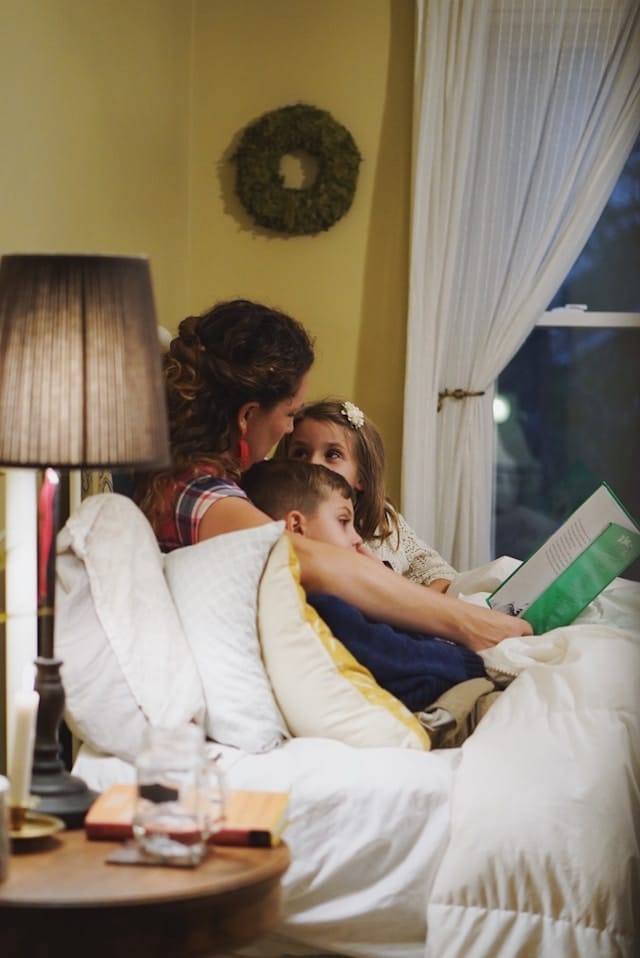
Section 2: What are we noticing right now?
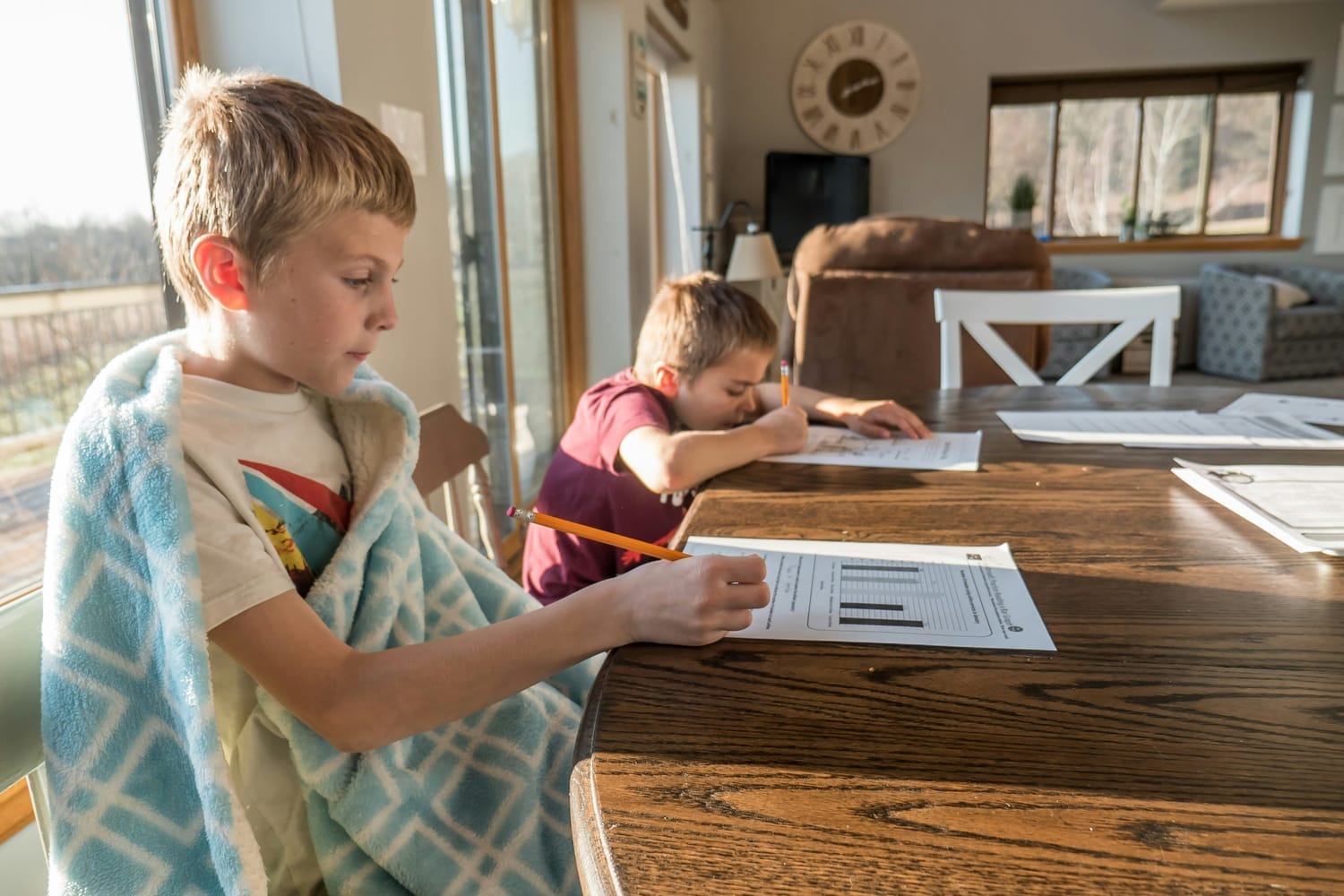
The second question in your guide is about identifying your child's strengths, needs, and interests, and learning to reframe your everyday activities as learning opportunities.
It's about making the invisible, visible in your child, and in your family's natural rhythms.
Together, these practices create a living learning Culture
Strength-spotting helps you personalize.
Reframing helps you recognize learning in its natural habitat.
Together, they help you step fully into your role — not as a curriculum manager, but as a trusted guide.
This is what makes Living Learning work — not just as a method, but as a relationship.
It’s how your child learns to see themselves as capable.
And how you learn to see your family life as fertile ground for growth.

Section 3: What supports that growth without force?
The final section of your guide invites you to contemplate the essential roles a parent plays as a designer of environment, curator of experiences, and co-learner in a flexible system.
This is achieved through three processes:
1. Presence: the practice of attending to what is actually happening, rather than reacting to what we think “should” be
2. Preparation: setting the stage for discovery rather than scripting the process
3. Prototyping: trying something small, observing what happens, and adjusting accordingly, as well as demonstrating what self-directed learning looks like in our own lives.
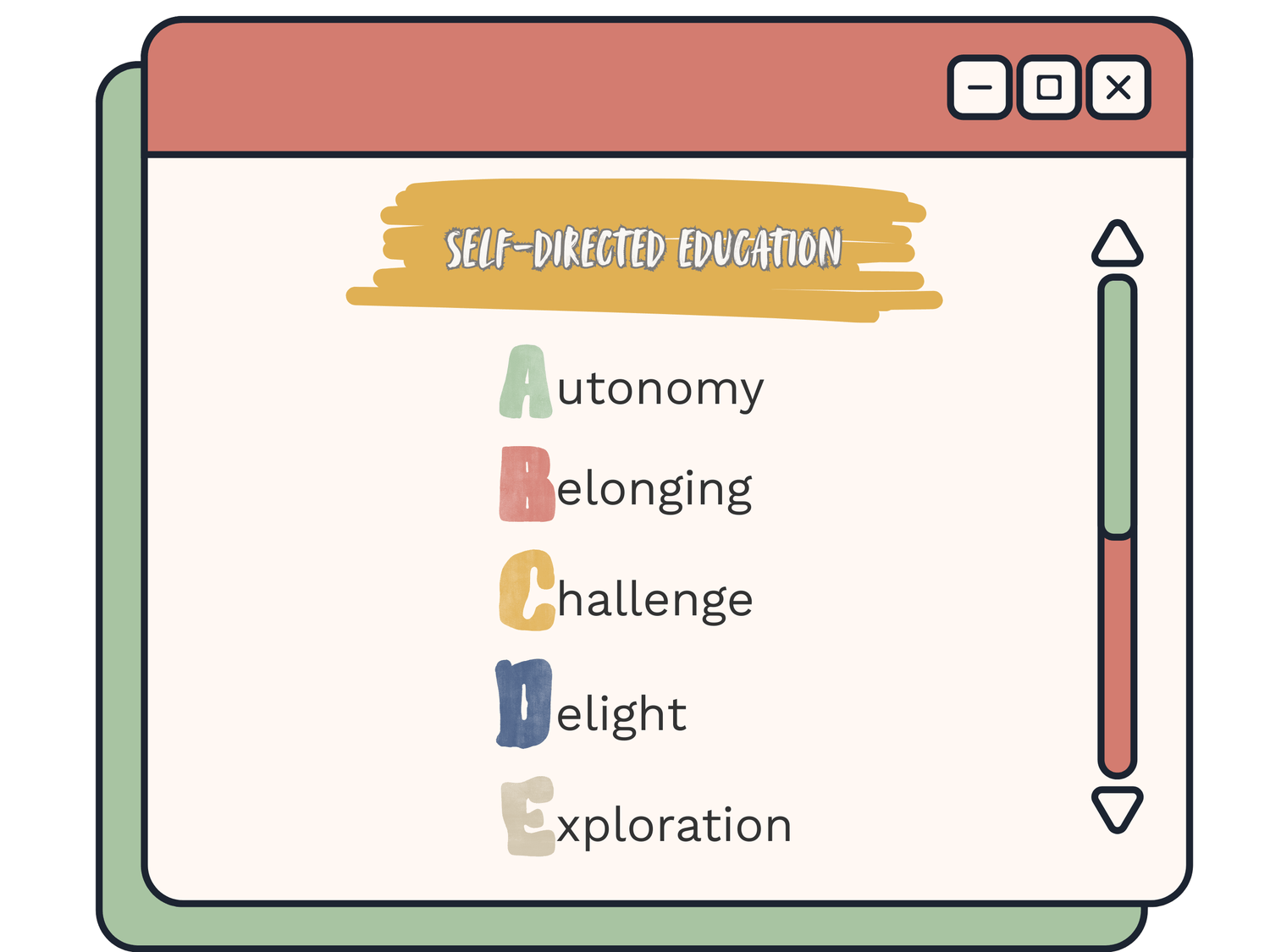
All of this is alive and anchored in your values and vision for your family, as well as the natural rhythms of your daily life.
It's the structure that guides your child’s education while leaving them the freedom to develop their natural interests and talents as individuals
🌿 For Parents Who Want to Raise Thinkers, With The Skills They Need to Thrive in the Real World
If you’ve ever looked at a curriculum and thought, “There must be a better way,” you're in the right place.
The CULTIVATE Revolution is a gentle but powerful invitation to rethink how learning happens — not in rigid plans or school-shaped boxes, but in real life, through curiosity, agency, and meaningful connection.
Before you choose your next curriculum, ask yourself this:
✅ Does your current plan reflect what you actually believe about learning?
✅ Does it honor your child’s wiring — or just follow "how it's done"?
✅ Does it credit the learning inherent in your family's daily life?
If it doesn’t fit your values, your rhythm, your child, or your real life… it’s not the right fit.
This guide is your first step toward building an education that belongs to your family.
🎯 What This Guide Helps You Do
Break free from school-based thinking that confuses control with learning
Clarify your family’s educational values and how they shape everyday decisions
Spot hidden learning in play, conflict, conversation, rest, and ritual
Begin designing your own flexible learning rhythm — no curriculum needed
Feel more confident and clear about what matters and what doesn’t
💡 Why It’s Different
Other resources start with lesson plans. We start with liberation.
We help you design education around your child’s wiring, not around what school says is appropriate for their age or grade.
The science of learning and motivation informs our planning
The lived experiences of real families creating learning cultures at home
The belief that your child is not behind — they’re becoming
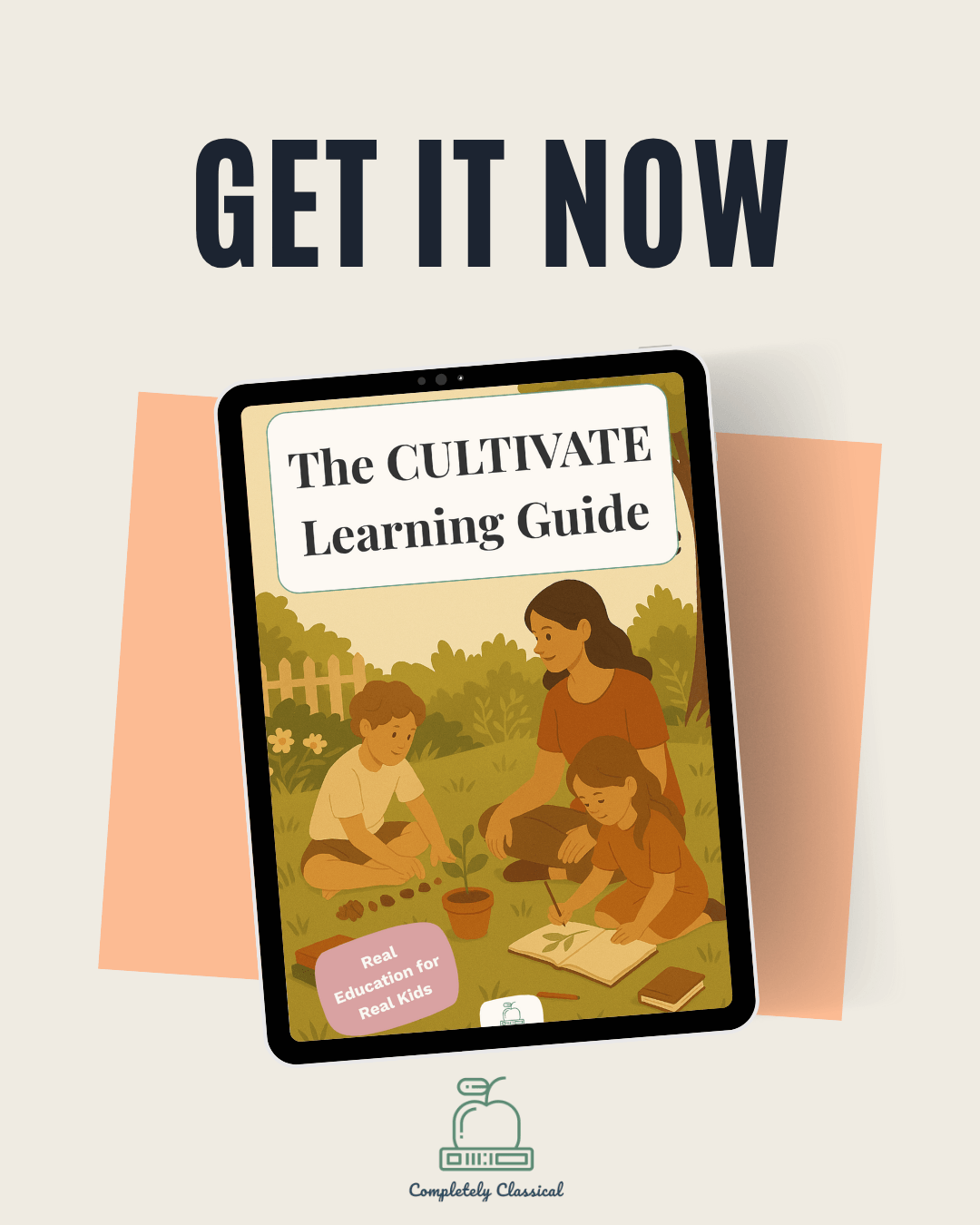
Get the Guide
$35 $20
What's Inside
Values Discovery Exercises – to help you define your family’s guiding principles
Strength-Based Questions – designed to reveal what your child is already good at
Reframing Activities – transform everyday mess into meaningful learning
Weekly Map Template – a flexible, low-effort rhythm builder
Reflection + Realignment Prompts – recalibrate when things feel off
Why Buy The CULTIVATE Learning Guide?
Because most homeschool resources start with what to teach.
This one starts with what matters.
The CULTIVATE Learning Guide isn’t a curriculum — it’s a clarity tool.
It helps you zoom out, rethink your family’s relationship to learning, and start building an education that aligns with your values, your child’s wiring, and your real life.
If you’ve ever asked yourself questions like:
“What should learning actually look like in our home?”
“Are we doing this because it works — or because we’re afraid not to?”
“How do I know if our rhythm fits who we are?”
Then this guide is the tool you’ve been missing.
It’s built for thoughtful, questioning parents who aren’t satisfied with school-at-home — but who don’t want to wing it either. It helps you trade noise for clarity, pressure for alignment, and performance for presence.
You should buy it if:
You’re trying to unlearn school-shaped thinking
You want your child to thrive, not just comply
You’re ready to build a living learning culture that’s sustainable, liberating, and real
This is the first step toward a home education that’s rooted in who you are, not just what’s expected.
On this website we talk about:
🌱 The CULTIVATE Method to giving your child the education they need to succeed in the real world.
🧪 The Science of Learning & Education that's missing from the school system.
🚫 Deschooling: disconnecting ourselves from the school-shaped models we inherited so we can radically re-think education for our kids.
🛠 Tools & Models to help you create a more meaningful education experience for your child (and enjoy it more)
Join our newsletter for education tips and tricks

Built with systeme.io | Privacy policy | Terms and conditions